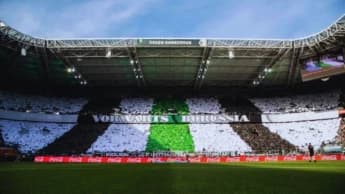
The Historic Stadio Olimpico: Heart of Italian Sport
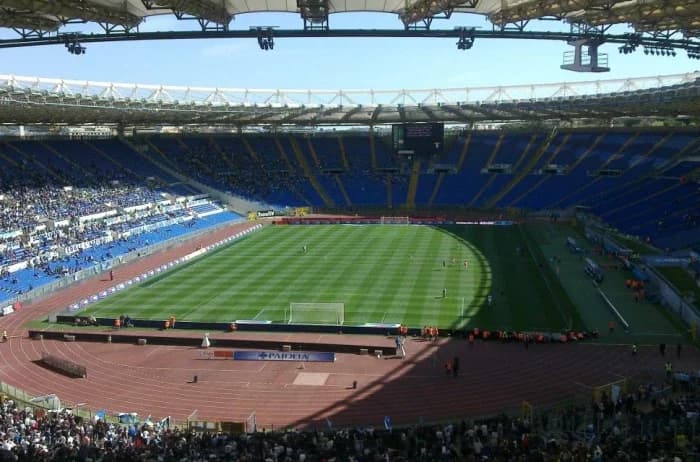
The Stadio Olimpico stands as a testament to Italy's rich sporting heritage, hosting unforgettable matches and events, blending history with a modern fan experience in the heart of Rome.
The Stadio Olimpico, an imposing symbol of Italian sports, is situated with pride in the Foro Italico sports complex in Rome, Italy. Located at the foothills of Monte Mario in the lively Della Vittoria neighborhood, this legendary stadium reflects Italy’s enthusiasm for football, athletics, and cultural events. Since its grand inauguration on May 17, 1953, which featured a match between Italy and Hungary, the stadium has evolved into one of the most esteemed venues worldwide.
Originally constructed to accommodate an impressive 100,000 spectators, the Olimpico was designed to reflect the magnificence of Italian architecture and the rising passion for sports within the nation. Throughout the years, the stadium has undergone numerous renovations, each one improving its facilities and structure while maintaining its historical character. Currently, with a seating capacity of 74,000, it remains a vital center for Italy’s sporting and cultural events.
The Stadio Olimpico serves as the home stadium for two of Serie A’s most illustrious teams, AS Roma and SS Lazio. Their intense rivalry produces some of the most thrilling atmospheres in global football. Additionally, it frequently hosts the Italian national football team, further enhancing its distinguished status. Aside from football, the stadium has been the venue for athletic competitions, concerts featuring world-famous artists, and significant ceremonies that bring together fans and audiences from across the world.
Throughout its history, the stadium has played a pivotal role in numerous significant events. It was a prominent site during the 1960 Summer Olympics, hosting both the opening and closing ceremonies as well as various athletic competitions. Additionally, it was an important venue for the 1990 FIFA World Cup, further cementing its significance in the annals of sports history. The Olimpico has also been the host for major European tournaments, such as the UEFA European Championships, numerous Champions League finals, and several Coppa Italia finals.
Nestled within the picturesque surroundings of the Foro Italico complex, attendees of the Stadio Olimpico enjoy an experience that goes beyond just a game or event. The area is adorned with historical monuments, verdant landscapes, and pathways that provide stunning views of the city. Its prime location ensures convenient access while allowing visitors to immerse themselves in the vibrant culture of Rome.
Renowned as one of the most iconic stadiums in the world, the Stadio Olimpico transcends its role as merely a sports arena—it embodies resilience, tradition, and the profound love that a nation holds for sports and culture. This venue serves as a unifying space where history, passion, and modernity come together, culminating in unforgettable experiences for both players and fans.
Memorable Matches
The Stadio Olimpico has hosted many memorable matches that have influenced the evolution of football. One of the most significant moments was its inaugural match in 1953, a captivating clash between Italy and Hungary that showcased this legendary venue to the world. At the 1960 Olympics, the stadium became a center of global interest as it hosted the opening and closing ceremonies in addition to various athletic competitions, embodying the essence of unity and sporting excellence.
In 1968, the stadium was the scene of Italy's momentous victory in the European Championship final against Yugoslavia. After a closely contested initial draw, Italy claimed their win in a replay, finishing with a score of 2-0 and bringing honor to the host nation. A dozen years later, during Euro 1980, the Stadio Olimpico was the venue for three group matches and the final, where West Germany emerged victorious over Belgium with a 2-1 result, further solidifying its status as a leading football venue.
The grandeur of the stadium was further highlighted during the 1990 FIFA World Cup, where it was the venue for all of Italy's group stage matches as well as the subsequent knockout rounds, culminating in the final between West Germany and Argentina. In a thrilling encounter, West Germany secured the championship with a slim 1-0 victory, a game that has become a significant part of football history. Additionally, the Olimpico has hosted numerous European Cup and Champions League finals, including Liverpool’s triumphant victory over Borussia Mönchengladbach in 1977 and the intense 1984 final, where Liverpool faced AS Roma, ultimately decided by penalties.
In more recent times, the 1996 Champions League final featured Juventus overcoming Ajax after a dramatic penalty shootout. Subsequently, in 2009, Barcelona put on a stellar performance to defeat Manchester United 2-0, showcasing their supremacy in European football. These memorable matches not only demonstrate the Stadio Olimpico’s capability to host high-pressure competitions but also emphasize its status as a venue where dreams are realized and legends are born.
Amenities & Services
The Stadio Olimpico represents a pinnacle of architectural excellence and contemporary sports facilities. Originally built to host up to 100,000 attendees, the stadium has seen numerous significant renovations to sustain its reputation as one of the world's foremost venues. After its initial opening, substantial improvements were made for the 1960 Olympics, transforming the originally vast terraces into seating areas, which reduced the seating capacity to 53,000 while greatly enhancing the comfort and safety of spectators. Further upgrades introduced before the 1990 FIFA World Cup brought the stadium into a modern framework. The playing field was repositioned closer to the stands, creating a more intimate spectator experience, and a cutting-edge roof was added to provide better protection against weather elements for fans.
The stadium boasts high-quality amenities, featuring roomy seating sections that provide excellent visibility from all angles, as well as VIP lounges that deliver premium hospitality services. Additionally, it includes state-of-the-art media and broadcasting facilities to support global coverage. Modern lighting systems beautifully illuminate the field during night matches, and advanced sound systems enhance the vibrant atmosphere created by the fans.
The Stadio Olimpico features an extensive range of facilities aimed at enhancing the experience for fans. Attendees can savor a wide selection of food and drink options available at conveniently located concession stands, which help reduce waiting times during peak events. Additionally, the stadium has been designed with accessibility in mind, offering specific provisions for guests with disabilities, including designated seating areas, elevators, and accessible walkways.
Surrounding the venue, there are ample parking spaces and an efficient transportation network, ensuring easy access to the stadium for both local residents and international guests. The adjacent Foro Italico sports complex further enhances the experience, providing additional amenities such as swimming pools, training facilities, and tennis courts, establishing it as a central hub for sports and recreational activities.
In recent years, renovations have prioritized sustainability and technological advancements, such as the installation of energy-efficient lighting and the enhancement of digital ticketing systems to facilitate smoother entry processes. These upgrades help ensure that the Stadio Olimpico preserves its historic allure while also adapting to the needs of contemporary sporting events, providing a top-notch experience for both athletes and fans.
Significance in History
The Stadio Olimpico is steeped in historical significance, serving not only as an emblem of Italian sports culture but also as a site that has hosted crucial moments in the realms of international football and athletics. Built during the Fascist era in Italy, as part of the expansive Foro Italico sports complex, its inception highlights the intersection of politics and sports in early 20th-century Europe. Originally intended as the Stadio dei Cipressi, it evolved into a symbol for grand gatherings and competitions, reflecting the regime's aspirations for grandeur and unity through the medium of sport.
The stadium's participation in the 1960 Rome Olympics represented a significant milestone, highlighting Italy's revival in the aftermath of World War II on a global scale. By hosting both the opening and closing ceremonies, along with various athletic events, it became the backdrop for memorable moments, including Wilma Rudolph's remarkable victories, which epitomized overcoming challenges. This event also signified the evolution of the Stadio Olimpico from a local venue to a celebrated international arena.
The stadium's importance increased as it became a central venue for significant football tournaments, including the UEFA European Championships in 1968 and 1980, the FIFA World Cup in 1990, and various European club finals. Notable matches like the Euro 1968 final, where Italy triumphed in a replay against Yugoslavia, and the 1990 World Cup final, where Germany bested Argentina, further cemented its place in football history.
The Stadio Olimpico has remained a staple of Italian domestic football, acting as the shared battleground for AS Roma and Lazio. It has witnessed numerous intense derbies and unforgettable moments that characterize the intense rivalry between these two teams.
In addition to sports, the Stadio Olimpico has served as a venue for concerts, cultural events, and ceremonies, establishing itself as a versatile space. Its ability to withstand decades of renovations demonstrates its flexibility and lasting significance. By adopting technological and structural innovations, the stadium has maintained its historical essence while evolving into a contemporary center for global events.
In the present day, the Stadio Olimpico serves not only as a sporting arena but also as a testament to Italy's cultural and historical development, symbolizing the unity, enthusiasm, and grandeur that characterize the nation’s connection with sports.
Future Events
The Stadio Olimpico remains a central venue for exceptional sports and entertainment events, upholding its status as one of Europe’s most iconic locations. In the coming days, it will host a number of high-profile football matches, including Serie A games featuring AS Roma and Lazio, two of Italy’s most dedicated football teams. Furthermore, the stadium plays a crucial role in the Coppa Italia, with its grand final frequently taking place under the illuminating lights of the Olimpico, enhancing the excitement and significance of the tournament.
International football plays a vital role in the schedule of the Stadio Olimpico, as the venue often hosts matches featuring the Italian national team. With Italy gearing up for the upcoming UEFA European Championship qualifiers and international friendlies, fans can anticipate thrilling performances from the Azzurri in their pursuit of success. Furthermore, the stadium is under consideration for high-profile matches in forthcoming international tournaments, reinforcing its significance on the worldwide football stage.
In addition to football, the Olimpico remains a hub for significant cultural events, featuring international music concerts by world-famous artists. Its spacious capacity, excellent acoustics, and historic atmosphere make it an ideal venue for performers looking to create unforgettable experiences in the Eternal City. Audiences can anticipate a variety of shows that unite diverse crowds beneath the Roman sky.
The Stadio Olimpico serves as a key location for the annual Golden Gala, which is part of the Diamond League series in athletics. This prestigious event attracts top-tier track and field athletes from around the globe, who compete before an enthusiastic audience, commemorating the stadium's rich Olympic heritage.
With upcoming plans to upgrade and modernize various sections, the Stadio Olimpico is set to improve the experience for fans while still accommodating a diverse array of events. Its capacity to fuse tradition with contemporary elements ensures that it will continue to be a prominent venue for sports and entertainment in Italy for many years ahead.
Experience for Fans
Experiencing an event at the Stadio Olimpico is truly memorable, presenting a remarkable combination of history, enthusiasm, and contemporary facilities. Located in the renowned Foro Italico district of Rome, the stadium offers spectators stunning views of Monte Mario, immersing them in a space rich with tradition. Whether attending a football game, a concert, or a significant sporting event, the ambiance at the Stadio Olimpico is electrifying, driven by passionate supporters of AS Roma and Lazio, along with fans traveling from across the world.
The approach to the stadium creates an inviting atmosphere, featuring easy access through public transport, abundant parking facilities, and picturesque views of the surrounding sports complex. Upon entering, attendees are welcomed by generous seating arrangements and a grand roof design that improves sound quality and provides an unobstructed view of the pitch or stage from nearly all angles.
Concession stands for food and beverages are thoughtfully arranged throughout the venue, providing a variety of classic Italian snacks and drinks alongside global selections. The hospitality offerings, which include VIP lounges and premium seating options, are designed for those who desire a more upscale experience. These areas feature exclusive dining options, comfortable seating, and direct access to the events, guaranteeing an unforgettable experience.
The design of the stadium fosters inclusivity, offering amenities for fans with disabilities and families, creating a friendly atmosphere for everyone. Advanced screens and sound systems enhance the live experience, ensuring that fans remain engaged and well-informed during the event. The recently updated seating guarantees comfort, even during longer events, while the lively audience contributes to the overall ambiance, transforming every event into a memorable experience.
The fervor for football in this region is unmatched, particularly during the Derby della Capitale, where AS Roma and SS Lazio go head-to-head. The atmosphere is electrifying, with chants, flags, and tifos creating a vibrant tapestry of sights and sounds that linger well beyond the final whistle. Additionally, concerts and various cultural events thrive in this remarkable venue, transforming them into unforgettable experiences.
As fans leave the stadium, they have the opportunity to explore the Foro Italico complex, which features pedestrian paths and notable landmarks that enrich the experience. The Stadio Olimpico offers more than just a sporting event or performance—it provides a deep cultural experience at the core of Rome's rich sports and entertainment heritage.