Discover the Historic Mestalla Stadium in Valencia
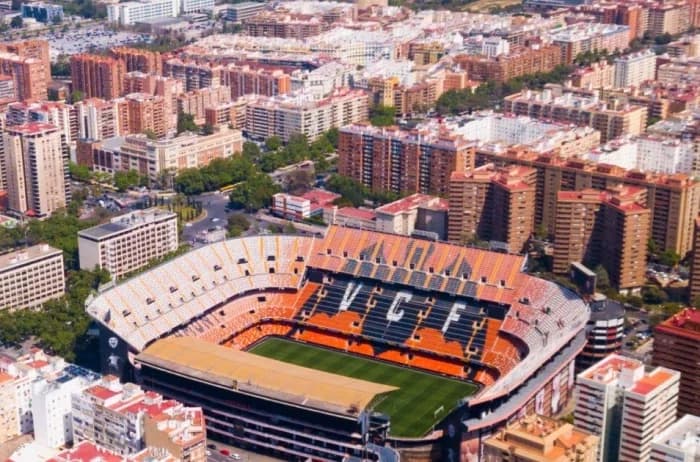
Nestled in Valencia, Mestalla Stadium is not just the home of Valencia CF; it’s a celebrated monument of football history, passion, and unforgettable experiences in the beautiful game.
Mestalla Stadium (known as Estadio de Mestalla in Spanish and Estadi de Mestalla in Valencian) is one of the most renowned landmarks in Spanish football. Located in the vibrant city of Valencia, Spain, this historic arena serves not only as the home ground for Valencia CF but also as a significant cultural and architectural emblem. Since its inauguration on May 20, 1923, Mestalla has experienced nearly a hundred years of football glory, embodying moments of resilience and fostering a deep bond with the community.
Mestalla, with a seating capacity of 49,430, is the eighth-largest stadium in Spain and the largest in the Valencian Community. Its central location in Valencia allows the city’s energy and vibrancy to permeate the stadium on match days. The name Mestalla is derived from the ancient irrigation canal of the same name, which dates back to the 10th and 11th centuries during the time of the Arab dynasty. This canal, which was once located next to the stadium's south stand, serves as a significant reminder of the area's agricultural heritage and history.
A standout characteristic of Mestalla is its North Stand, famous for its sharply steep incline that provides fans with an exciting and close-up viewing experience. This particular design makes it one of the most daunting sections for opposing teams and a significant source of pride for the supporters of Valencia.
Throughout the years, Mestalla has evolved into more than merely a football stadium—it serves as a stronghold of tradition, a center for fan culture, and a venue for some of the most significant events in football history. From accommodating Spain's national team to hosting memorable matches in La Liga, the Copa del Rey, and the FIFA World Cup, Mestalla’s importance reaches far beyond Valencia, making an impact on football enthusiasts worldwide.
Beyond its role as a sports venue, Mestalla carries significant cultural value. Its involvement during the Spanish Civil War, when it functioned as a concentration camp and storage facility, underscores its resilience and links to the wider narrative of Spain's history. Despite facing various challenges, including the catastrophic flood of 1957, the stadium has proven to be enduring, continuously adapting and evolving over the decades.
In the present day, Mestalla stands as a lively emblem of Valencia's football culture, where the fervor of the sport intertwines with its rich history, making each match an occasion to celebrate the beauty of the game.
Memorable Matches
Mestalla Stadium has been the backdrop to numerous unforgettable matches, reinforcing its reputation as an iconic site in the history of football:
These unforgettable instances have carved the Mestalla into the hearts of football enthusiasts around the globe, highlighting its significance as a venue for remarkable sporting events.
Amenities & Offerings
Mestalla is far more than just a football stadium; it serves as a stronghold of fan culture and boasts cutting-edge facilities:
Although it maintains a traditional design, Mestalla successfully integrates its rich heritage with contemporary amenities, providing fans with a distinctive football experience.
Significance in History
Mestalla Stadium represents the rich footballing legacy of Spain and highlights Valencia's significant contribution to the development of the sport. Since its opening in 1923, this stadium has been the heart of Valencia CF, witnessing numerous football legends and hosting countless unforgettable moments that have secured its place in the history of both Spanish and international football.
In the early days, Mestalla swiftly emerged as a symbol of the rising popularity of football in Spain. The expansion of its seating capacity during the 1920s mirrored the swift ascent of the club and the growing enthusiasm of its fans. By hosting its inaugural international match in 1925, Mestalla began to establish itself as a leading venue for important football events.
The historical importance of the stadium goes beyond just the realm of football. During the Spanish Civil War, Mestalla took on an unconventional but vital role as both a concentration camp and a storage site, highlighting the turbulent socio-political circumstances of that time. The conflict inflicted significant damage on the stadium, yet its subsequent rebuilding came to symbolize resilience and regeneration, reflecting the indomitable spirit of the city and its inhabitants.
The 1950s represented a significant turning point for Mestalla, as extensive renovations were carried out to expand its capacity to 60,000 spectators. This transformation established it as one of the foremost stadiums in Spain and equipped it to host notable events, including matches during the 1982 FIFA World Cup. At that time, the stadium was referred to as Estadio Luis Casanova, named after the esteemed president of Valencia CF. It was selected as one of the venues for the prestigious tournament, attracting fans from around the globe and reinforcing its reputation as an international landmark.
Mestalla's significance in the history of Spanish football is closely linked to its connection with the Copa del Rey. The stadium has been the host of ten finals, showcasing iconic matchups between Barcelona and Real Madrid, solidifying its reputation as a site for some of the fiercest rivalries in the sport. Additionally, Mestalla has served as the venue for the Spanish national team on many occasions, notably during the 1992 Barcelona Olympics, where Spain's U-23 team secured the gold medal.
The stadium has also acted as a refuge for other clubs in challenging times. Levante UD temporarily made Mestalla their home, while Real Madrid hosted European Cup matches here during renovations at their own stadium. These instances highlight Mestalla's significance not only to Valencia but to the broader landscape of Spanish football.
Even with contemporary developments, the stadium continues to exude a classic allure. The ancient irrigation canal of Mestalla, which inspired the stadium's name, serves as a lasting symbol of the city’s cultural and historical heritage. The choice to change its name back from Estadio Luis Casanova to Mestalla in 1994 further solidified its status as a cherished landmark in Valencia.
Future Events
Mestalla Stadium remains an essential arena for prominent football matches and other major events. As the home ground of Valencia CF, it is central to the club's La Liga endeavors, where supporters eagerly anticipate thrilling rivalries against teams like Barcelona, Real Madrid, and local adversaries Villarreal in the Valencian derby. Additionally, Mestalla frequently hosts Copa del Rey matches, a tournament with which the stadium has a rich history, having seen many finals throughout its distinguished existence.
International football plays a significant role in the array of events hosted at Mestalla. The stadium has been the site of numerous historic matches for the Spanish national team, and it is poised to accommodate upcoming friendly matches, UEFA Nations League games, and potentially fixtures during Spain's bid for the UEFA Euro 2032 tournament. Mestalla’s prime location, lively atmosphere, and legendary status make it an excellent venue for these events.
Furthermore, Valencia's renowned Fallas Festival draws a large influx of tourists to the city, positioning Mestalla as a key element of local festivities. The stadium is also capable of hosting cultural or musical events due to its historical significance and impressive stature, making it a desirable venue for entertainment beyond just football.
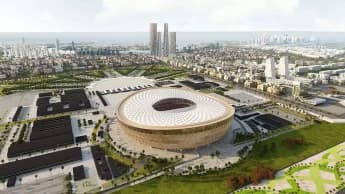
As we look to the future, the upcoming completion of the Nou Mestalla introduces a new chapter in the stadium’s history. While the opening of Nou Mestalla will signify a fresh start, the events held at the current Mestalla will provide fans with a heartfelt farewell, allowing them to treasure their final experiences in this iconic venue.
Experience for Fans
Experiencing an event at Mestalla Stadium goes beyond simply viewing a football match; it immerses you in a vibrant and passionate atmosphere that embodies Valencia’s dedication to the sport. The enthusiastic cheers of the crowd, particularly from the steep North Stand, foster an electrifying ambiance that can unsettle opposing teams and uplift the home players. The design of the stadium ensures that spectators feel close to the action, making each goal, tackle, and celebration profoundly personal.
For supporters, the experience on matchday starts well before the first whistle. The Mestalla is conveniently located in the lively city of Valencia, which offers excellent transportation options like buses, metro services, and accessible parking spaces. The area surrounding the stadium is filled with vibrant cafes and bars where fans gather to savor pre-match meals, drinks, and engaging conversations that heighten the anticipation leading up to the event.
Within the stadium, spectators enjoy modern facilities that harmoniously integrate with the historic essence of Mestalla. From carefully curated seating options to a variety of food and drink vendors, the venue provides comfort while preserving its unique atmosphere. Special areas for families and features for accessibility ensure that all attendees have an inclusive and enjoyable experience.
The Valencia CF Museum, situated within the stadium, is an essential destination for both club supporters and football history aficionados. It features an impressive array of trophies, jerseys, and memorabilia, providing visitors with an opportunity to explore the rich history of the club. Guided tours of Mestalla offer a behind-the-scenes experience of this iconic venue, granting access to the dressing rooms, press areas, and players’ tunnel, thus providing a distinctive insight into the operations of the stadium.