FC Barcelona: History, Achievements, and Future Prospects
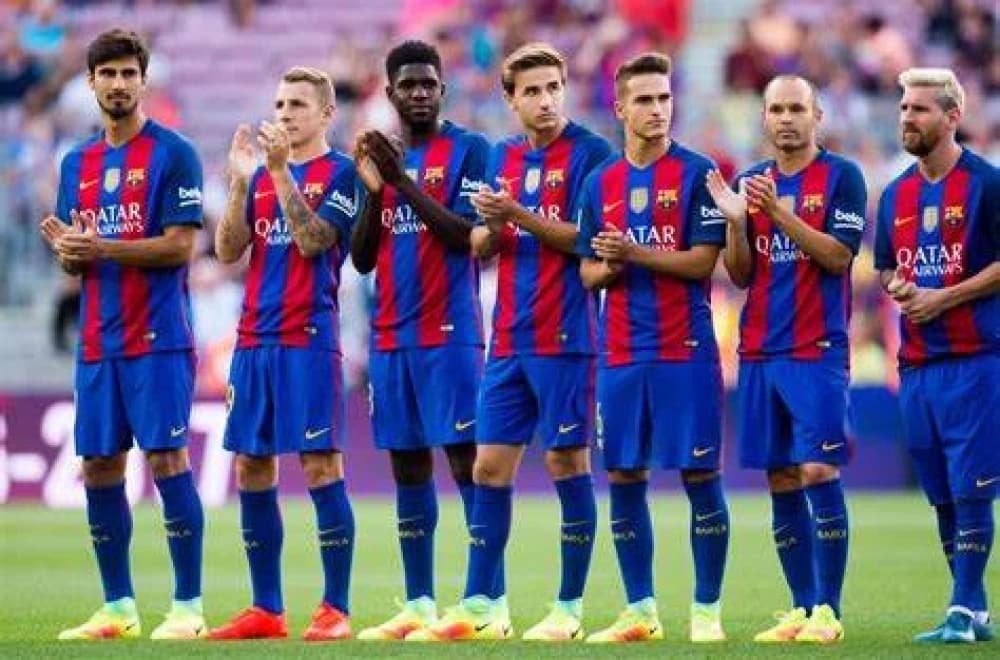
FC Barcelona is more than a football club; it is a symbol of Catalan pride and resilience, boasting a rich history, remarkable achievements, and a promising future filled with young talent.
FC Barcelona was established in 1899 by Joan Gamper and a group of football enthusiasts, starting out as a modest football club in Catalonia, Spain. Over the years, it transformed into one of the most renowned and successful football organizations in the world. Affectionately termed Barça, the club represents the Catalan spirit of resilience and pride, which is encapsulated in its motto 'Més que un club' ('More than a club'). Its formative years were characterized by participation in local tournaments, but Barcelona soon rose to prominence. The club became an emblem of Catalan identity, particularly during times of political strife in Spain. As the team excelled on the pitch, its stadium turned into a refuge for supporters expressing their cultural and political hopes.
The narrative of Barça is deeply intertwined with its significance in Catalan society. More than just a sports team, it embodies the values of freedom, democracy, and unity, drawing in a worldwide fanbase that resonates with these ideals. The club's distinctive blue and red colors reflect a powerful mix of passion and loyalty, which are integral to its identity.
Currently, FC Barcelona represents a symbol of remarkable footballing achievement, cultural importance, and innovation, firmly anchored in its local community while also having a worldwide presence.
Accomplishments of the Team
The trophy collection of Barcelona showcases its long-standing supremacy in global football. The club has achieved 27 La Liga titles, 31 Copa del Rey trophies, and five UEFA Champions League titles, including the remarkable sextuple in 2009—making it the first club ever to accomplish this. Additionally, Barcelona has shined in international competitions, claiming three FIFA Club World Cups and four UEFA Super Cups. In the early 20th century, the team was dominant in events such as the Pyrenees Cup, paving the way for its global prominence.
The success of Barcelona extends beyond just winning trophies. The club’s prestigious La Masia academy has produced remarkable players like Lionel Messi, Xavi, and Iniesta, highlighting its significant impact on football philosophy. These football legends have not only broken records but have also transformed the game with their exceptional skills and insights. Their accomplishments transcend mere silverware; Barcelona has innovated modern football through its distinct playing style, establishing itself as not just a winner but a trendsetter in the sport.
Strengths & Weaknesses:
FC Barcelona's commitment to youth development is unparalleled, with La Masia nurturing some of the most exceptional players in the history of football. Their emphasis on possession-oriented play and technical proficiency remains a fundamental aspect of their achievements. Furthermore, their expansive global fanbase and creative marketing tactics contribute to their financial stability.
However, despite their strengths, recent years have revealed certain weaknesses. Financial difficulties stemming from mismanagement and costly player acquisitions have put a strain on resources. Additionally, the team has faced challenges in maintaining defensive stability and adapting to the physical requirements of contemporary football.
Their dependence on individual talent can sometimes leave them vulnerable against teams with a strong tactical approach. Additionally, the frequent changes in management have disrupted their consistency, making it difficult for them to implement long-term strategies.
Initiatives are in progress to tackle these shortcomings; however, these obstacles emphasize the necessity for a well-rounded strategy to maintain their success.
Tactics and Playing Style
Barcelona’s tactical philosophy is deeply rooted in the ideas of Johan Cruyff, further developed during Pep Guardiola's time. Their playing style, known as tiki-taka, is marked by quick passes, excellent spatial awareness, and aggressive pressing, which has shaped a period of significant success for the club.
The approach emphasizes maintaining control of the ball, allowing players to stay calm even when under pressure. The midfield, often led by skilled players like Xavi and Iniesta, sets the rhythm of the game, while forwards take advantage of spaces with sharp accuracy.
Currently, Barça is focused on integrating its traditional playing style with modern tactical adaptability. Their game features high pressing and quick transitions, which enhance their possession-based approach and allow them to adjust to the changing dynamics of football. Although their style has progressed, the commitment to creativity and technical excellence continues to be a fundamental aspect, ensuring their identity is maintained in every match.
Memorable Matches
2009 UEFA Champions League Final: Barcelona achieved a remarkable 2-0 win against Manchester United in Rome, showcasing a brilliant display of tiki-taka and securing the historic sextuple.
2010 El Clásico: The unforgettable 5-0 thrashing of Real Madrid at Camp Nou showcased Barcelona's dominance during Guardiola’s era.
1992 European Cup Final: Ronald Koeman’s legendary free-kick secured Barcelona’s first European Cup title, heralding the beginning of their dominance in continental competitions.
2017 PSG Comeback: After losing the first leg 4-0, Barcelona achieved an incredible 6-1 win at Camp Nou, demonstrating their determination and offensive prowess.
Looking Ahead
The future of Barcelona depends on finding a balance between its rich history and the requirements of contemporary football. The club is making significant investments in its infrastructure, including the renovation of Camp Nou, to improve the experience for fans and boost revenue. The rise of young talents such as Pedri, Gavi, and Alejandro Balde indicates a hopeful new chapter for the club. These emerging players, along with targeted signings, are set to help Barcelona regain its prominence on the European stage.
Restoring financial stability is a top priority, with efforts focused on managing debt and improving spending practices. Moreover, the club is dedicated to sustainability and digital innovation, allowing it to remain competitive in the evolving football environment. Looking ahead, FC Barcelona is resolute in its commitment to uphold its core values, inspire future generations, and maintain its enduring legacy as 'Més que un club.'