Belfast Celtic: A Legacy of Pride and Unity in Football
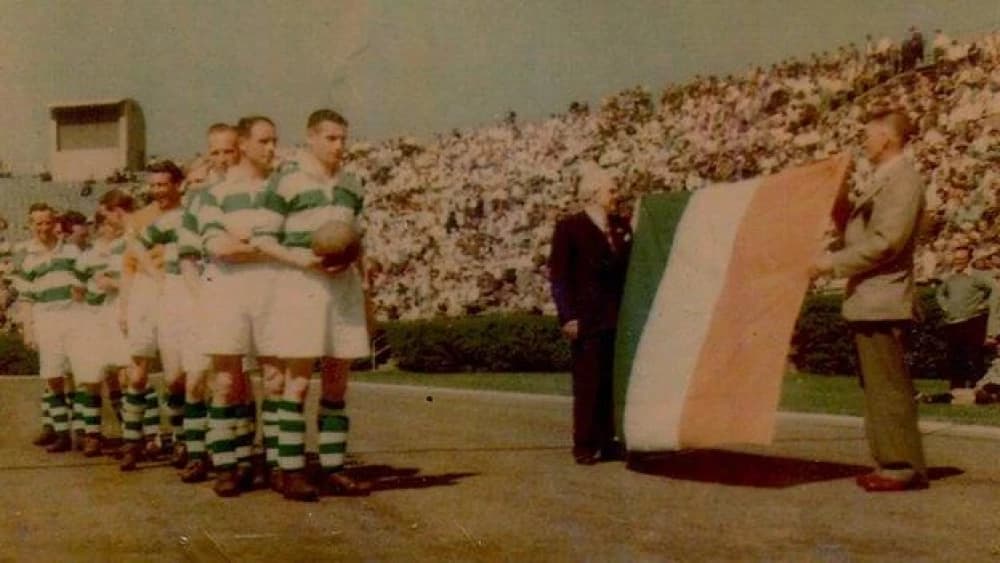
Founded in 1891, Belfast Celtic FC left an indelible mark on Irish football, representing community pride and resilience, with a legacy that continues to inspire future generations.
Established in 1891, Belfast Celtic Football Club became a symbol of sporting excellence in Ireland, distinguished by its robust cultural identity associated with its mainly Catholic and Irish nationalist fans. Inspired by Glasgow Celtic, the club swiftly became an integral part of Belfast’s dynamic football culture, earning the affectionate moniker 'Paradise' for its home venue, Celtic Park. Despite the political strife that frequently colored its history, Belfast Celtic transcended the realm of football—it embodied a source of unity and pride for its community.
The club's exit from the Irish League in 1949 represented an unfortunate conclusion for a squad that had come to embody excellence and style. Nevertheless, its legacy persists, commemorated by those who cherish its illustrious past. Even after formally withdrawing from competitive play, the name of Belfast Celtic continues to resonate as a symbol of both sporting and cultural importance.
Achievements of the Team
The esteemed trophy collection of Belfast Celtic features several Irish League titles, with their inaugural win in 1900 against their arch-rivals Linfield heralding the start of their dominance. After returning to the league in 1924 after a break, the club experienced remarkable success, securing four straight league championships.
In the 1947–48 season, Belfast Celtic achieved a remarkable milestone by setting a European record of 31 consecutive wins across all competitions, a record that remains unbroken to this day. Their excellence was not confined to domestic leagues; they displayed their prowess during a North American tour in 1949, notably triumphing over a strong Scotland team with a score of 2–0 in New York City.
The club's achievements extended beyond mere trophies. It cultivated a rich talent pool, notably producing five international goalkeepers simultaneously, which highlighted their commitment to player development. Their ongoing success and active involvement within the community cemented their reputation as one of the iconic clubs in Irish football.
Strengths and Weaknesses
The strengths of Belfast Celtic are rooted in their unparalleled winning mindset, a varied fanbase, and their capacity to develop and recruit outstanding talent. The remarkable winning streak during the 1947–48 season showcased their tactical ingenuity, while the deep emotional bond with their fans granted them a significant home advantage at Celtic Park.
Nonetheless, their political and cultural identity became a significant weakness, exposing them to animosity and violence that went beyond the field of play. The Boxing Day incident in 1948 highlighted their fragility in a deeply divided society, ultimately affecting their choice to step back from competitive sports.
Their tenacity in overcoming challenges was impressive; however, their dependency on strong leadership, particularly that of manager Elisha Scott, revealed a vulnerability: lacking substantial institutional support, the club found it difficult to tackle the broader socio-political issues that impacted their operations.
Tactics & Playing Style
Belfast Celtic's style of play was distinguished by its flair, discipline, and emphasis on technical skill. The team's tactical adaptability contributed to their success in various competitions and across different time periods. Their commitment to a strategy of building play from the back and quickly capitalizing on spaces through counterattacks was innovative for its time.
During their memorable matches, notably the 1949 triumph over Scotland, the team showcased exceptional finishing skills and strong defensive strategies, proving their capabilities against more formidable rivals. Their commitment to nurturing adaptable players, particularly in the goalkeeper position, highlighted their strategic acumen.
The leadership from management was vital in shaping their strategies. Elisha Scott placed a strong emphasis on cooperation and tactical adaptability, which enabled the team to respond effectively to high-pressure situations. This ability to adapt became a defining feature of their success during their peak period.
Memorable Matches
One of the most memorable matches in Belfast Celtic's history is the decisive league victory against Linfield in 1900, which played a crucial role in their rise to fame. This hard-fought 1-0 win demonstrated their resilience and commitment to establishing themselves as champions.
The Boxing Day match in 1948, although overshadowed by violence, stands as a significant moment in the club's history. In spite of the distressing events, it underscored the fierce nature of their rivalries and the deep enthusiasm of their supporters.
In 1949, Belfast Celtic's victory over Scotland in New York, where they faced a team that had just achieved a British Isles Triple Crown, highlighted their strategic prowess and international significance. This match became a pivotal source of pride for Irish football on the global stage.
Their last league match in April 1949 against Cliftonville was an exhilarating 4–3 victory that captured the essence of the club. While it signified the conclusion of an era, it also reinforced their legacy as tenacious competitors.
Looking Ahead
Although Belfast Celtic officially ceased competitive play in 1949, their legacy remains vibrant. The club's history is honored through various retrospectives, documentaries, and the cherished memories of supporters who keep their stories alive across generations.
Initiatives aimed at commemorating the club's legacy include the creation of memorials and cultural projects that celebrate their accomplishments. These efforts help ensure that their influence continues to inspire future generations of Irish football fans.
Although Belfast Celtic will not re-enter competitive football, their legacy remains significant, especially in conversations surrounding the relationship between sport and identity. As contemporary clubs navigate socio-political challenges, Belfast Celtic stands as a powerful example of both the struggles faced and the unifying essence of football.
The absence of Belfast Celtic has yet to be truly filled. Nevertheless, their narrative continues to foster a shared belief in the lasting power of sport as a unifying force for community and pride.