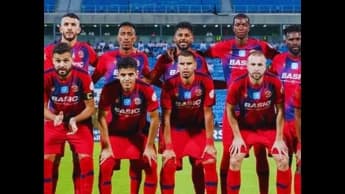
Al-Ettifaq FC: Legacy and Future in Saudi Football
Founded in 1945, Al-Ettifaq FC represents Dammam's spirit through an impressive history, notable achievements, and a commitment to future success in the competitive landscape of Saudi football.
Established in 1945, Al-Ettifaq FC was formed through the unity of three clubs from Dammam—Al-Taawoun, Al-Sha'ab, and Al-Shabab—under the direction of the local sports ministry. This shared vision resulted in the foundation of a football institution intended to not just represent Dammam but also stand as a symbol of determination and resilience. Al-Ettifaq, which translates to 'The Agreement' in Arabic, encapsulated the essence of cooperation and mutual ambition, qualities that characterized its formative years. Over time, the club developed its identity, adopting green and red as its primary colors to signify energy and passion. Al-Ettifaq rapidly became a vital part of the sporting culture in the Eastern Province. The team's home city, located along the eastern coast of Saudi Arabia, is steeped in tradition and pride, reflecting the aspirations of a region keen to establish its presence on the national football scene.
The establishment of Al-Ettifaq was driven by pioneering individuals who dedicated themselves to transforming the team into a powerful contender. Coaches such as Mohammed Hassan Khairi from Sudan introduced groundbreaking strategies to the game, guiding the team through its early development phases. Iconic players, including Khalil Al-Zayani, emerged as leading figures, embodying commitment and leadership while leaving a lasting legacy on both the club and Saudi Arabian football.
Currently, Al-Ettifaq is regarded as one of the most prestigious football clubs in Saudi Arabia, skillfully merging traditional values with contemporary aspirations. Its extensive history and numerous accomplishments have solidified its status among the nation's top teams. With a legacy that spans more than seventy years, the club continues to motivate generations of football enthusiasts and stands as a testament to Dammam's sporting excellence.
Team Achievements
Al-Ettifaq's trophy collection showcases a series of pioneering achievements and significant milestones. In 1984, they made history as the first Saudi Arabian club to clinch an international title, the Arab Club Champions Cup. This victory not only established Al-Ettifaq as a prominent name in football but also set a benchmark for other Saudi clubs to aspire to. Furthermore, they became the first team to complete the Saudi Premier League season unbeaten during the 1982–83 season. On the domestic front, Al-Ettifaq has celebrated considerable success, winning the Saudi Premier League twice, with their first title secured in 1982–83 and their second in 1986–87. Their success also translated to cup tournaments, having won the King Cup twice, in 1968 and 1985, along with the Crown Prince Cup in 1965. These achievements firmly established their reputation as one of the most decorated teams in the nation.
On the regional level, Al-Ettifaq made history by being the first Saudi team to win the GCC Champions League, securing the title in 1983 and once more in 1988. These victories solidified their reputation as a club capable of competing and achieving success beyond the borders of their country. Their ability to excel on both national and international stages showcased the team’s versatility and ambition.
Al-Ettifaq has accumulated a total of 13 titles in various competitions, highlighting their lasting impact on Saudi football. These achievements signify more than mere statistics; they reflect the club’s tenacity and their capability to evolve and excel through different periods of the sport.
Strengths & Weaknesses
The current performance of Al-Ettifaq showcases a team that effectively merges seasoned experience with youthful vigor. Known for their disciplined defensive play, rapid counterattacking, and a midfield that blends creativity and hard work, the squad stands out. Players fostered through the club's academy system embody loyalty and a deep understanding of the club’s core values. This unity is further strengthened by their ability to attract experienced professionals to enhance the team. A significant advantage for Al-Ettifaq is its rich coaching heritage. From iconic figures like Khalil Al-Zayani to the innovative strategies of their current coaching staff, the club has consistently emphasized tactical understanding and player growth. This solid foundation allows them to compete effectively against financially stronger teams. Moreover, the enthusiastic support from their home crowd at the Prince Mohamed bin Fahd Stadium creates a challenging atmosphere for opposing teams.
Like any team, Al-Ettifaq encounters obstacles. A primary challenge lies in their inconsistency throughout the season. Although the squad can deliver outstanding performances, they occasionally falter against weaker opponents and lose critical points. Additionally, injuries to key players have highlighted a shortage of depth in the squad, particularly in the offensive line, where overdependence on a few key players has had negative consequences. To stay competitive, the team needs to tackle these issues by enhancing their squad depth and strengthening their offensive capabilities. Achieving greater consistency in their performances and maintaining momentum during the season will be crucial as they strive to re-establish themselves among the elite clubs in Saudi Arabia.
Tactics & Style of Play
Al-Ettifaq has historically been recognized for its dynamic attacking style of football, characterized by a combination of speed and accuracy. With coaches like Zayani at the helm, the team developed a reputation for employing high-pressing tactics that forced opposing teams into making errors. This assertive approach was backed by a creative midfield that expertly orchestrated plays and a dependable defense that ensured stability. In recent times, the team has adopted a more balanced strategy, merging their offensive instincts with solid defensive discipline. The midfield acts as the core, managing possession and setting the tempo of the match. Al-Ettifaq frequently utilizes rapid transitions, taking advantage of the pace of their wingers and full-backs to exploit gaps left by their opponents.
Set pieces have emerged as a crucial component of Al-Ettifaq's game plan. Boasting physically strong players, the team excels at converting opportunities from corners and free-kicks. This ability adds an extra layer to their offensive play, presenting challenges to opponents in both open play and set-piece situations. However, despite these strengths, there remains potential for tactical improvement. While their ability to attack is clear, the team sometimes finds itself susceptible to counterattacks. Balancing their offensive and defensive strategies will be vital for achieving lasting success in both domestic leagues and international tournaments.
Memorable Matches
A defining moment in Al-Ettifaq’s history occurred during the 1982–83 Saudi Premier League season. On the final day, they faced their city rivals Al-Nahda and secured a 2–0 victory, sealing the league title without a single defeat. This win represented much more than just a trophy; it was a testament to their dominance and resilience throughout the season. Another significant highlight was the 1984 Arab Club Champions Cup final, where Al-Ettifaq faced some of the strongest teams in the region and claimed victory, becoming the first Saudi team to secure an international title. Their success against Kenitra AC of Morocco demonstrated their capacity to compete on a global level and set a new benchmark for Saudi football clubs in international tournaments.
The 1985 King Cup victory over Al-Hilal remains a significant highlight for fans. Following a hard-fought match that concluded with a 1–1 draw, Al-Ettifaq emerged victorious in the penalty shootout, demonstrating their resilience and composure in high-pressure situations. This win solidified their reputation as one of the premier teams in Saudi Arabia.
These matches encapsulate the essence and resolve of Al-Ettifaq, qualities that have shaped the club’s legacy. They serve as a source of motivation for both current players and supporters, highlighting the remarkable achievements of the team and the possibilities for future success.
Looking Ahead
The future of Al-Ettifaq appears bright as the club continues to enhance its rich heritage. Recent investments in youth development and updated infrastructure highlight their commitment to ongoing success. By fostering local talent and integrating seasoned professionals, the team is establishing a robust foundation for the future. A primary focus is on enhancing their performance in the Saudi Pro League. As the competition intensifies, Al-Ettifaq seeks to re-establish itself as a reliable top-four contender. Strengthening the team's depth and tackling weaknesses in the offense will be crucial for realizing this ambition.
On an international scale, the team aims to regain its former glory by engaging in and triumphing in both regional and continental tournaments. Competing in the AFC Champions League remains a key long-term goal, as it would offer a stage to demonstrate their abilities on a broader level. As the club progresses, the commitment of its fans and the determination of its management and players will be essential. Al-Ettifaq’s narrative is far from complete, and with the right strategies in place, the team is ready to write more successful chapters in its rich history.