Saudi Pro League: Rising Star in Global Football
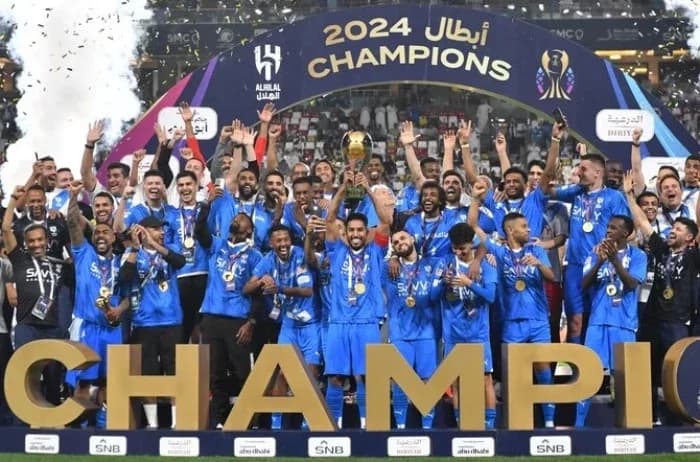
The Saudi Pro League is rapidly evolving, attracting top-tier talent and reshaping the global football landscape while raising important questions about its sustainable growth and impact on European leagues.
The Saudi Pro League (SPL) has quickly become one of the most discussed football leagues globally, primarily due to a wave of significant international signings. In the last year, the league has experienced a remarkable influx of football icons, transforming the competitive landscape and challenging the traditional dominance of European football. This trend, chiefly driven by the substantial financial backing from the Saudi Public Investment Fund (PIF), has sparked discussions regarding the league's ambitions and what it means for the future of global football. This blog examines the influence of these major signings on the Saudi Pro League, looking into the factors fueling this trend, its possible long-term implications, and the concerns it has raised within Europe.
The Emergence of the Saudi Pro League: A Financial Juggernaut
In the past few years, the Saudi Pro League has experienced an unparalleled surge in talent acquisition, attracting international stars such as Cristiano Ronaldo, N'Golo Kante, Jordan Henderson, and most recently, Neymar, who have all made significant moves to the league. This influx is largely driven by the Saudi government's initiative to establish the country as a global sports destination. The Public Investment Fund's (PIF) investments in leading clubs like Al-Nassr, Al-Ittihad, and Al-Hilal have provided the essential financial resources needed to attract players that were once beyond the reach of most Asian clubs.
Cristiano Ronaldo's signing by Al-Nassr in December 2022 marked a significant turning point for the league. The deal, which was valued at an eye-watering £173 million annually, positioned the Saudi Pro League as a central focus in the global football arena. Following this landmark move, the league has successfully attracted a variety of high-profile players, including French midfielder N'Golo Kante, Liverpool captain Jordan Henderson, and a prospective arrangement for Neymar, which could involve Al-Hilal paying £77.6 million to Paris Saint-Germain (PSG).
A key objective of these signings is to enhance the international visibility of the Saudi Pro League. Traditionally, the SPL has been eclipsed by prominent European leagues such as the Premier League, La Liga, and Serie A. Nonetheless, the influx of top football talent has brought the Saudi league into global focus, with its matches now being aired throughout Europe, Asia, and the Middle East.
Notably, the inclusion of globally recognized players has attracted significant interest from broadcasters and sponsors. Ronaldo's transfer transformed Al-Nassr's matches into major global spectacles, resulting in heightened viewership and a more lucrative market for broadcasting rights. The SPL's efforts to cultivate a more competitive and appealing league are clear, as clubs are not only channeling funds into player acquisitions but also investing in coaching and infrastructure development.
Economic and Cultural Impact
The significance of the economic effects brought about by these signings is immense. The Saudi Pro League plays a crucial role in the nation's Vision 2030 initiative, which seeks to reduce reliance on oil by investing in various sectors, including sports, entertainment, and tourism. By bringing in some of the top global talents, Saudi Arabia aims to establish itself as a center for international sporting events, thereby enhancing tourism and generating new economic prospects. Furthermore, the presence of high-profile athletes like Ronaldo, Kante, and Henderson helps to cultivate a favorable image of the country worldwide, bolstering its soft power in the realm of international relations.
Culturally, the recent signings aim to generate enthusiasm for football throughout the nation. The Saudi government has a longstanding commitment to the sport, as evidenced by the national team's achievements in the AFC Asian Cup and World Cup qualifiers. Nevertheless, the influx of prominent international players fosters a sense of pride and excitement among local supporters, many of whom have historically followed European teams. With a dedicated football fanbase, the Saudi Pro League is establishing itself as a credible competitor to European leagues in terms of both quality and commercial appeal.
Economic Sustainability
While the attraction of high-profile players is evident, concerns about sustainability are prominent. Doubts persist regarding the long-term viability of the current structure of the Saudi Pro League, which heavily depends on government funding. The Chinese Super League encountered similar issues during its extravagant spending phase in the mid-2010s when it lured in older stars like Carlos Tevez and Oscar. Ultimately, the financial framework of the CSL fell apart, resulting in a decline in foreign investments and player acquisitions.
For the SPL, the main challenge will be to ensure that investment in international players is accompanied by long-term development initiatives. Experts suggest that the league should emphasize youth development, nurture local talent, and enhance its domestic competition to prevent its growth from becoming artificially inflated.
Effects on European Football
The increasing financial strength of Saudi clubs poses a significant challenge to European football, especially with the arrival of top-tier talents such as Ruben Neves and Neymar. The substantial transfer fees and lucrative salaries available in the Saudi leagues offer an appealing option for players, particularly those who are either nearing the end of their careers or in search of greater financial stability.
Several European clubs, including Chelsea and Wolves, have faced challenges due to Financial Fair Play (FFP) rules, which limit their spending based on income. In this scenario, Saudi Arabian clubs are able to provide significant financial offers that many European teams find hard to compete with. Consequently, the leading clubs in Europe now have to navigate a newly competitive Saudi landscape, which could potentially lead to a talent drain if the financial inequality continues to increase.
Nonetheless, there are indications that European football is not finished. UEFA president Aleksander Ceferin has expressed doubts about the SPL's approach of signing older players, claiming that it does not aid in long-term growth. He recommended that the Saudi Pro League should concentrate on developing local talent and investing in academies instead of persistently attracting aging players from Europe.
Future Perspectives: What Lies Ahead?
The future of the Pro League looks bright, with ambitious objectives aimed at enhancing its status as a leading international competition. If the league can successfully capitalize on its existing momentum by prioritizing sustainable growth and fostering player development, it could position itself as a strong competitor to Europe's elite leagues in the years to come. However, achieving this will necessitate meticulous planning and management to steer clear of the challenges encountered by other leagues that have sought and failed to become significant global players.
The recent influx of top-tier signings marks merely the beginning. Should the Saudi Pro League persist in attracting elite talent while exercising fiscal responsibility and focusing on the growth of domestic football, it has the potential to establish itself as a formidable force globally, offering a credible alternative to the long-standing powerhouses of European football.
Concluding Reflections
The arrival of prominent international players in the Saudi Pro League has undeniably changed the landscape of the league, enhancing its visibility and positioning it as a more formidable competitor in the world of football. Although the financial support from the Saudi government offers a strong foundation, the league's long-term viability will rely on its capacity to strike a balance between investing in foreign talents and nurturing local players through sustainable business practices. If this is accomplished effectively, the Saudi Pro League could potentially rise as a formidable contender against Europe’s top football clubs in the years to come.