Violence Erupts as Aguirre Struck by Can in Honduras Match
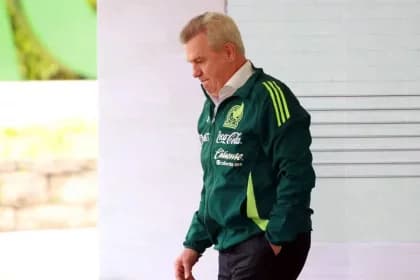
In the face of increasing violence in football, Javier Aguirre’s experience during Mexico’s loss to Honduras serves as a stark reminder of the critical need for improved security measures and the safeguarding of sportsmanship.
The unpredictable nature of football reaches far beyond the field, as vividly illustrated by Mexico's intense Nations League quarter-final match against Honduras. Following a disappointing 2-0 loss in San Pedro Sula on Friday, seasoned coach Javier Aguirre, who is 65 years old, encountered a shocking incident after the match that once again highlighted persistent concerns regarding crowd behavior in the sport.
As the final whistle resonated through the intense atmosphere of the General Francisco Morazán Stadium, Aguirre walked along the touchline, ready to shake hands with his Honduran counterpart, Reinaldo Rueda. Suddenly, a projectile—a can—was thrown from the stands, hitting Aguirre on the top of his head. Blood started to flow from the injury, serving as a stark reminder of the violence that can surface in high-pressure matches in this region.
Exhibiting his typical calmness under pressure, Aguirre spoke to the media shortly after receiving medical care. "This is football, and there’s no use discussing the other matters because I don’t believe in complaining," he stated, diverting the focus from the incident. However, his composed demeanor could not overshadow the wider repercussions for CONCACAF, which reacted promptly with a denunciation of the violent occurrence.
In its statement, CONCACAF highlighted, “The safety of teams and supporters is of utmost importance. Such acts of violence are unacceptable in football.” The confederation announced that the issue would be forwarded to its Disciplinary Committee for further investigation. This inquiry is expected to concentrate on pinpointing the individual responsible and evaluating possible repercussions for the management of the hosting venue.
This troubling incident occurs at a pivotal moment for Aguirre, who took charge of Mexico’s national team for the third time in July, after the sudden firing of Jaime Lozano due to a disappointing early exit from the Copa America. Aguirre boasts a rich managerial background, having previously led the Mexican national team and managed various clubs in Spain’s La Liga, earning a reputation for his tactical intelligence and strong leadership.
Nonetheless, Aguirre faces challenges that go beyond mere tactical encounters on the pitch. Matches in specific regions of Central America are infamous for their heated atmospheres, where passionate support can occasionally escalate into aggression. The General Francisco Morazán Stadium, recognized for its passionate home supporters, has experienced its share of dramatic incidents, but occurrences of violence like this highlight the urgent need for enhanced safety measures.
Even though Aguirre chose to minimize the significance of the incident, the sight of a wounded national team coach inevitably sparks discussions regarding the necessary measures to avert similar events in the future. CONCACAF's firm condemnation and commitment to disciplinary action might indicate a stronger stance on event security, in line with the international standards imposed by other governing bodies such as UEFA and FIFA, which implement strict penalties for crowd disorder.
The Mexican national team, celebrated for its passionate supporters and rich history, has faced numerous challenging situations both on and off the field. For Aguirre, a seasoned veteran in managing the ebbs and flows of football, this incident adds another chapter to his already illustrious career. As Mexico gears up for the return leg of this intense quarter-final match, attention will undoubtedly be divided between their performance on the field and the repercussions of this unsettling occurrence.
In the short term, Aguirre's recovery and leadership will be crucial as he motivates his team to respond effectively, aiming to reverse the deficit while upholding professionalism in the wake of the incident. Nonetheless, the overarching concern of stadium safety will continue to be closely examined, with
Javier Aguirre’s ability to remain strong in challenging situations highlights his character, while also bringing attention to the pressing need for improved security measures at crucial football matches in the region. As Mexico reorganizes and aims to refocus the conversation on the sport itself, this incident serves as a stark reminder of the dangers that can emerge when the fervor for football oversteps the limits of good sportsmanship.